Here I would like to immerse you in exhibitions that I have developed and curated. Please click the titles for details.

The temporal Exhibition in the DISQUOTA office at the Leipziger Baumwollspinenrei shows faces of Myanmar – in markets, at work, and in religious contexts. Their faces appear close, often in seemingly ordinary moments. What begins as portrait shifts: the faces do not stand alone but are embedded in situations. Gazes meet or turn away; proximity emerges, yet remains ambiguous. At the center, a rupture appears. An action loses its addressee, a place follows a different logic than what unfolds within it. The face shows no event, but a state of endurance. From here, perception changes. Work becomes part of a larger structure; the individual recedes without disappearing. In the end, the image condenses again – in a gesture that seems clear, yet remains open. The exhibition does not tell a story but traces transitions: between proximity and distance, action and state, visibility and withdrawal. Follow the link to the complete series.
Pictures are on sale for 100 € each printed on high quality Hahnemühle Baryta paper (30×40 cm) including postal delivery (DHL). Please contact me at any time via Email.
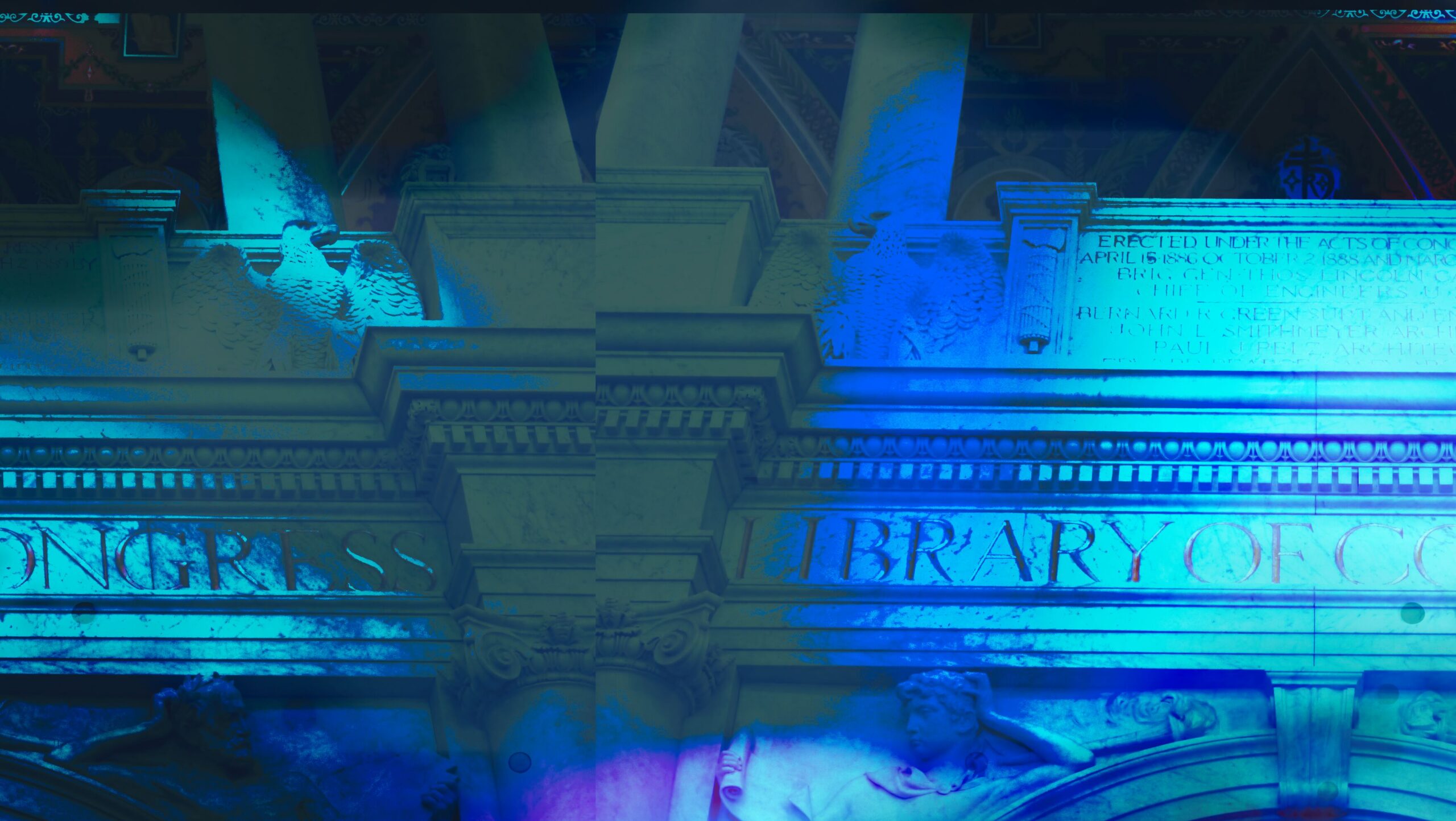
Public spaces are commonly understood as sites of orientation: institutions promise stability, political centers concentrate power, and cities organize movement. The works presented at the temporal Exhibition in the DISQUOTA office at the Leipziger Baumwollspinenrei call these assumptions into question. They do not depict spectacular states of exception. Instead, they focus on moments in which order begins to tilt—visually, structurally, atmospherically. The photographs are based on real places, yet are shifted through both accidental and deliberate interventions: colors turn unnatural, perspectives fragment, image planes overlap, raising questions. Documentation and construction can no longer be clearly distinguished. The images appear familiar and, at the same time, unsettling. Disruption does not emerge here as an event, but as a condition. It runs through political spaces as much as urban infrastructures and everyday situations. What appears stable reveals itself as contingent, layered, and susceptible to disturbance. The exhibition follows this logic: from visible orders to their hidden conditions—and ultimately toward a mode of perception in which certainty itself becomes unstable. Follow the link to the complete series.
Pictures are on sale for 100 € each printed on high quality Hahnemühle Baryta paper (30×40 cm) including postal delivery (DHL). Please contact me at any time via Email.
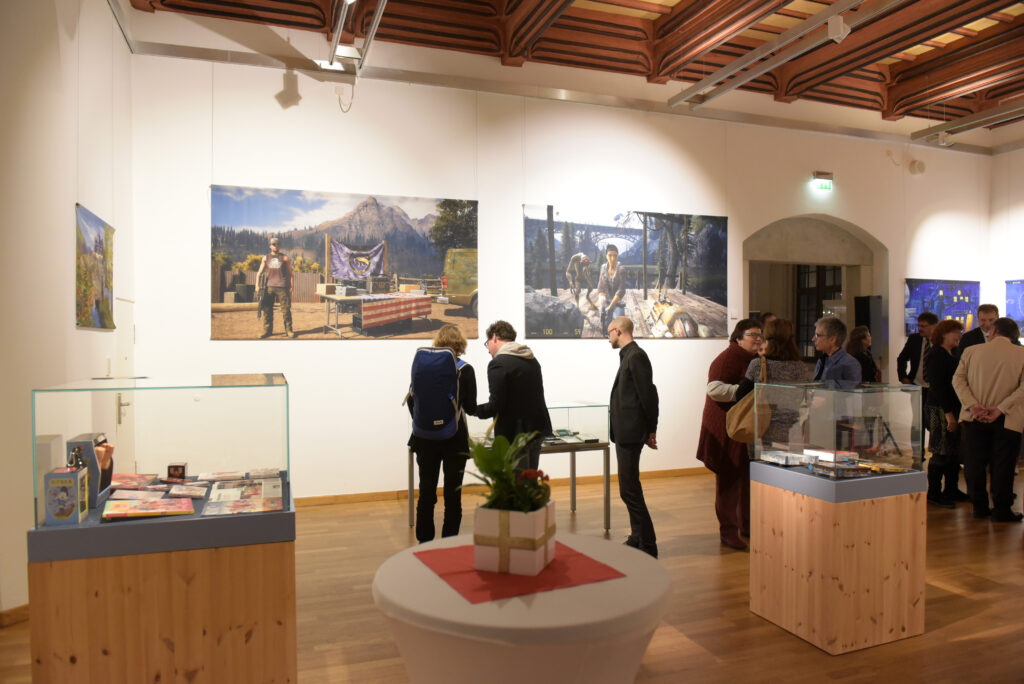
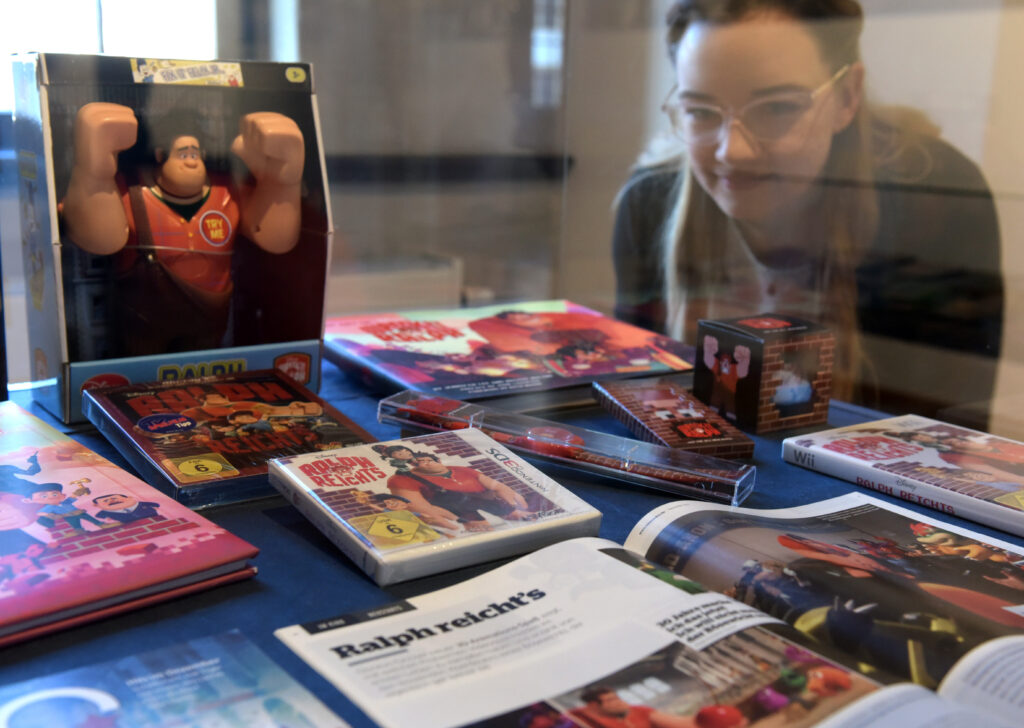
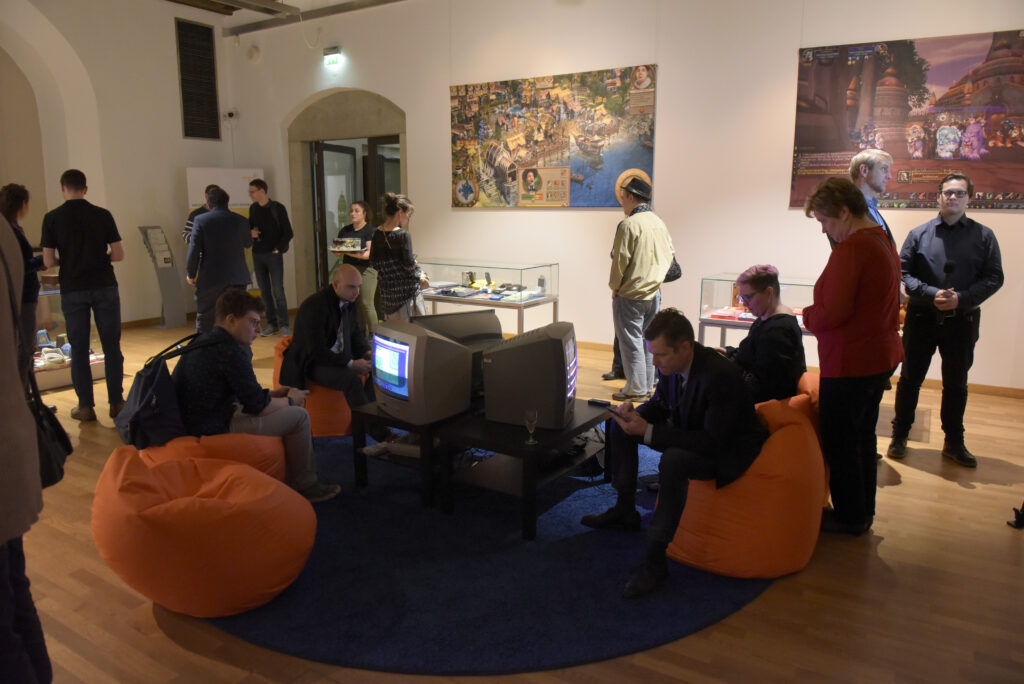
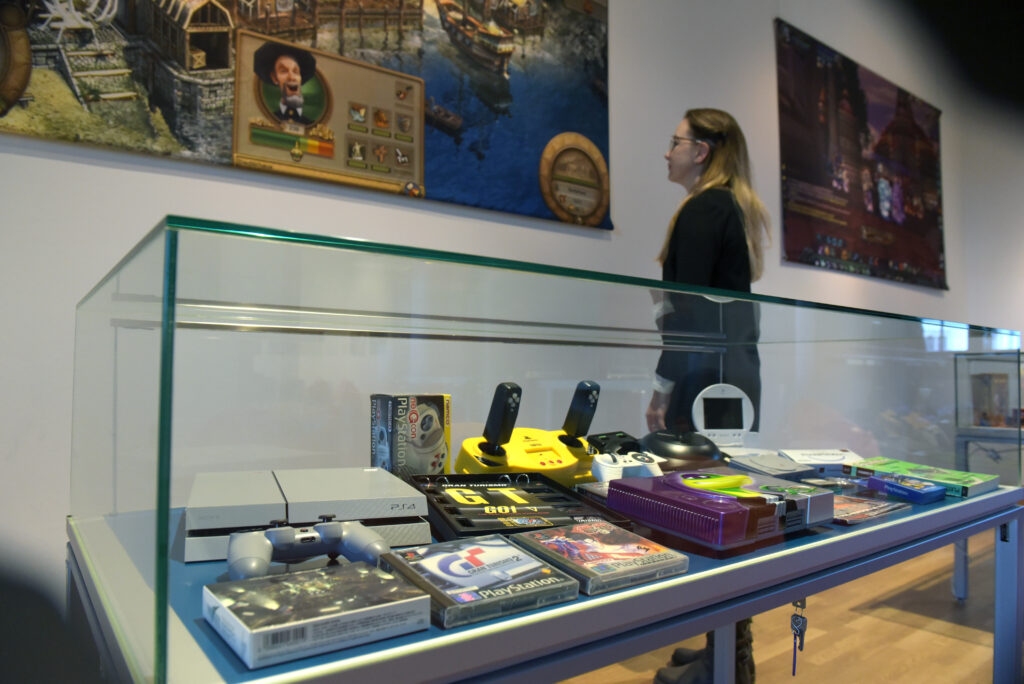
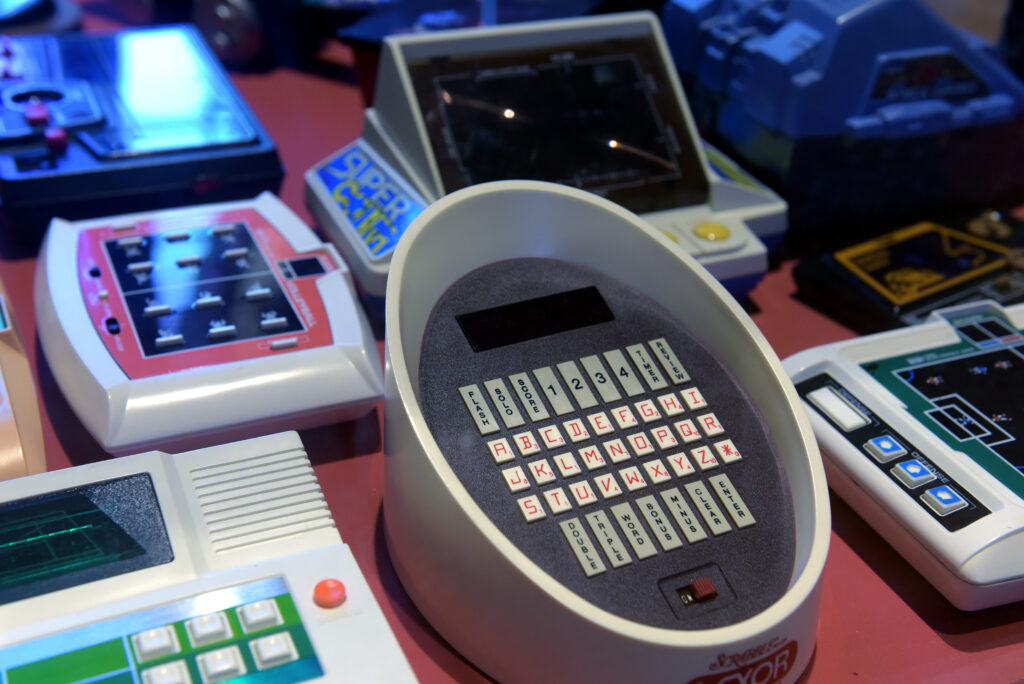
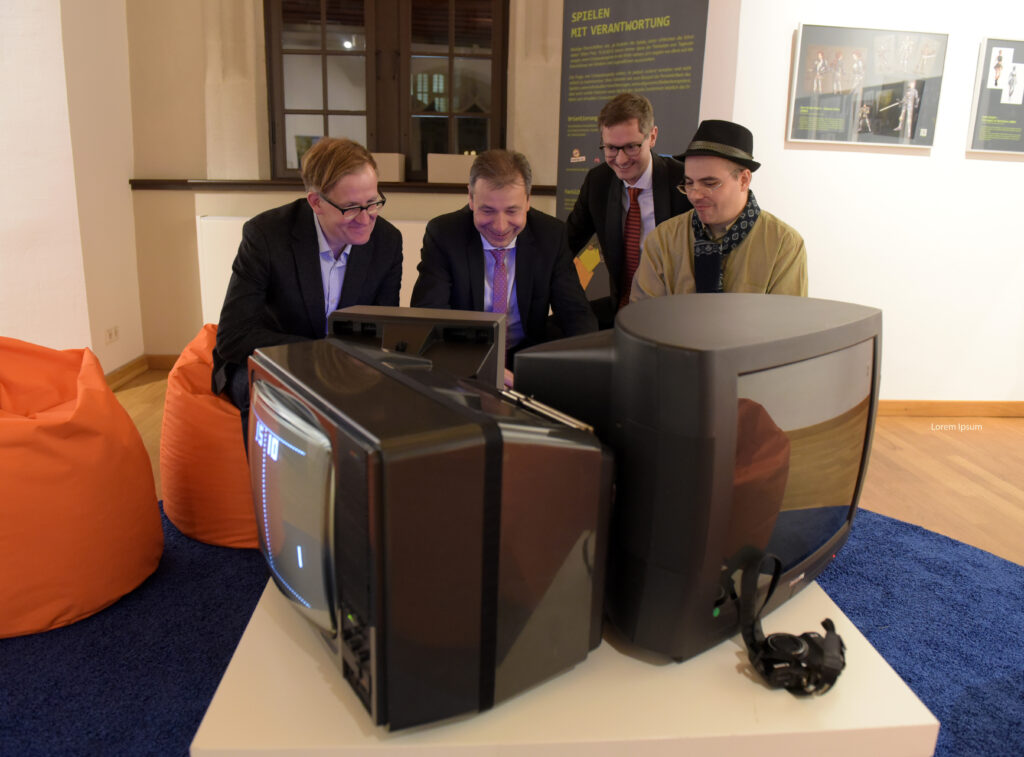
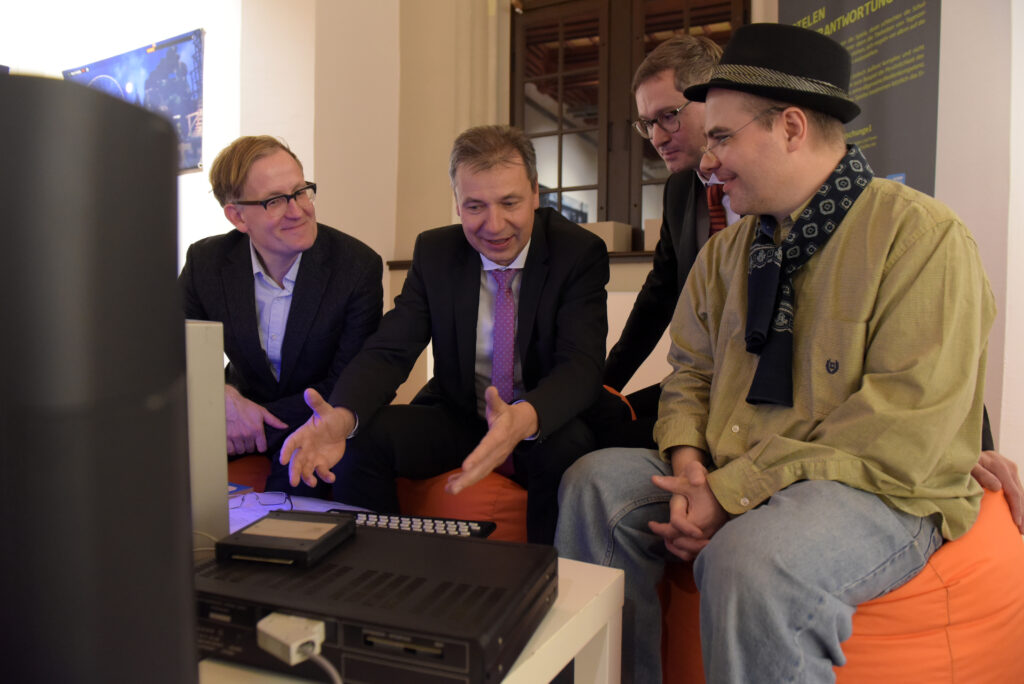
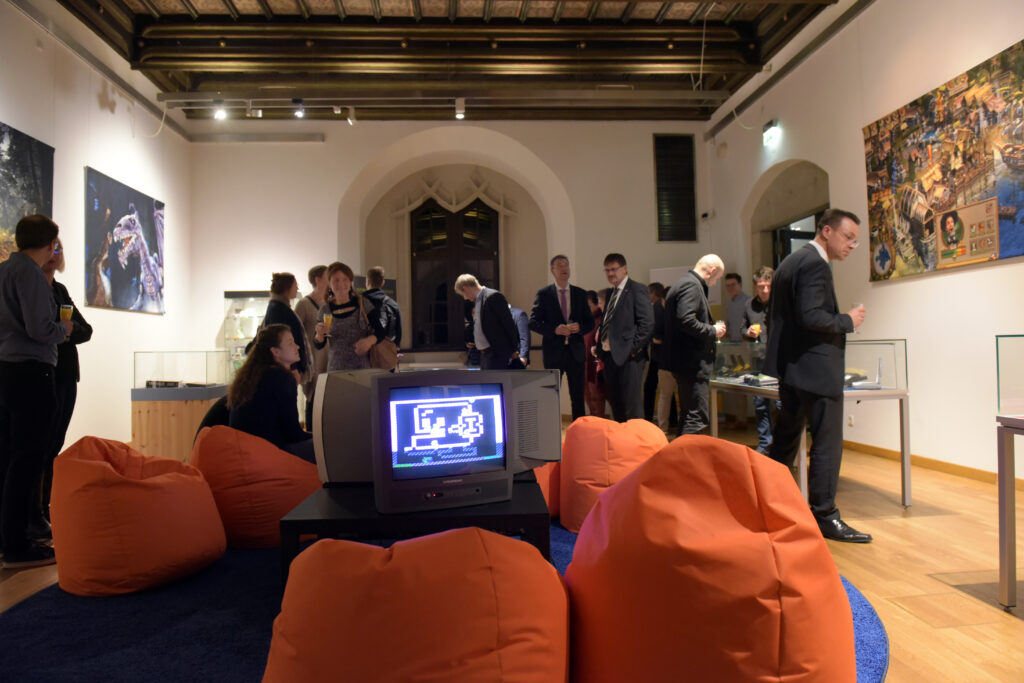
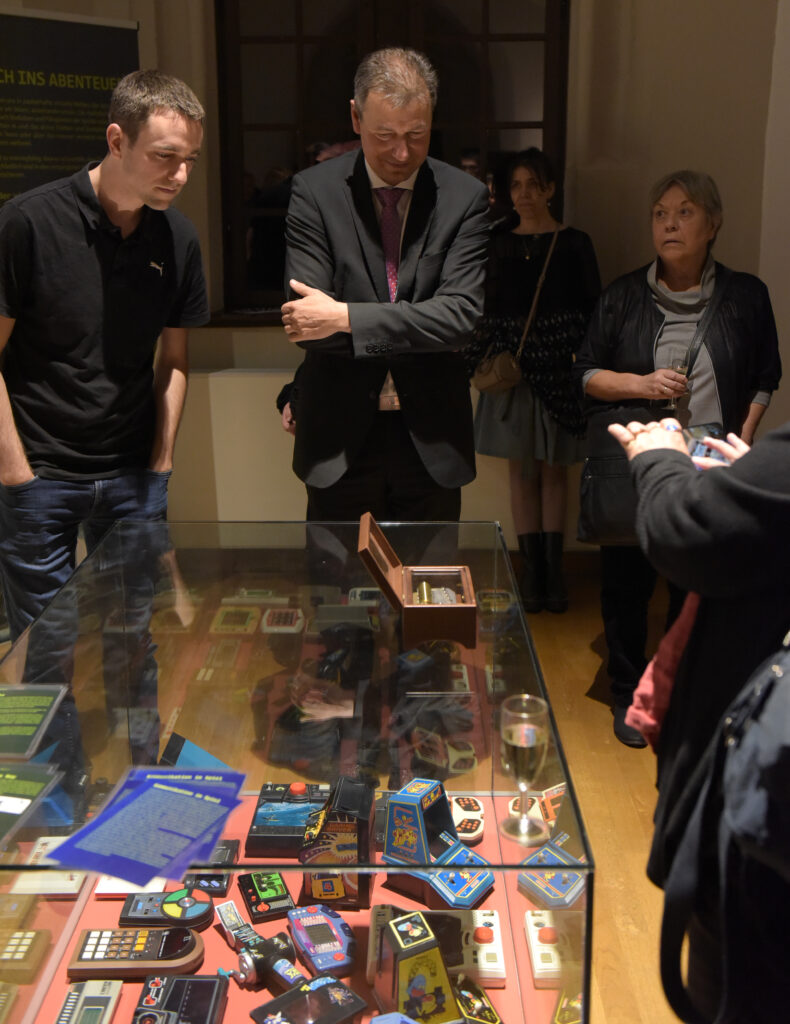
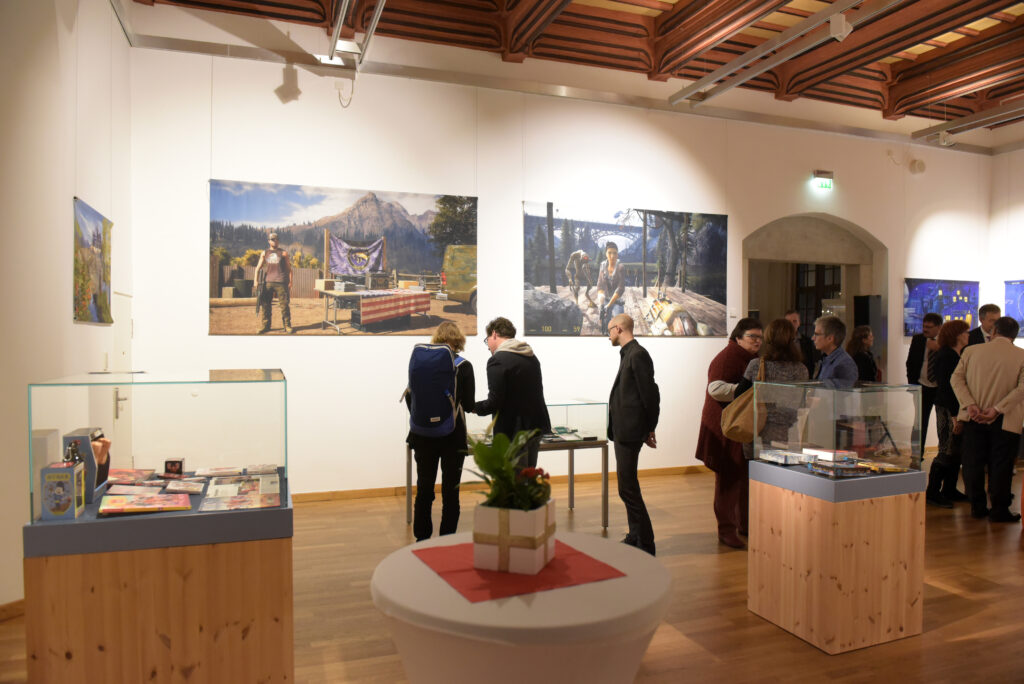
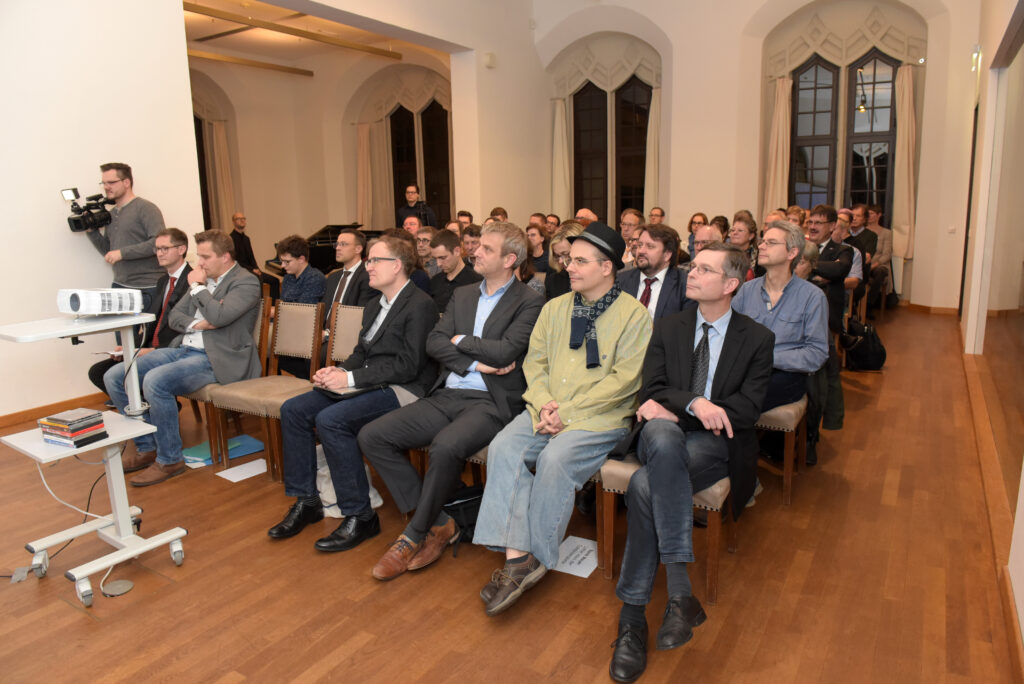
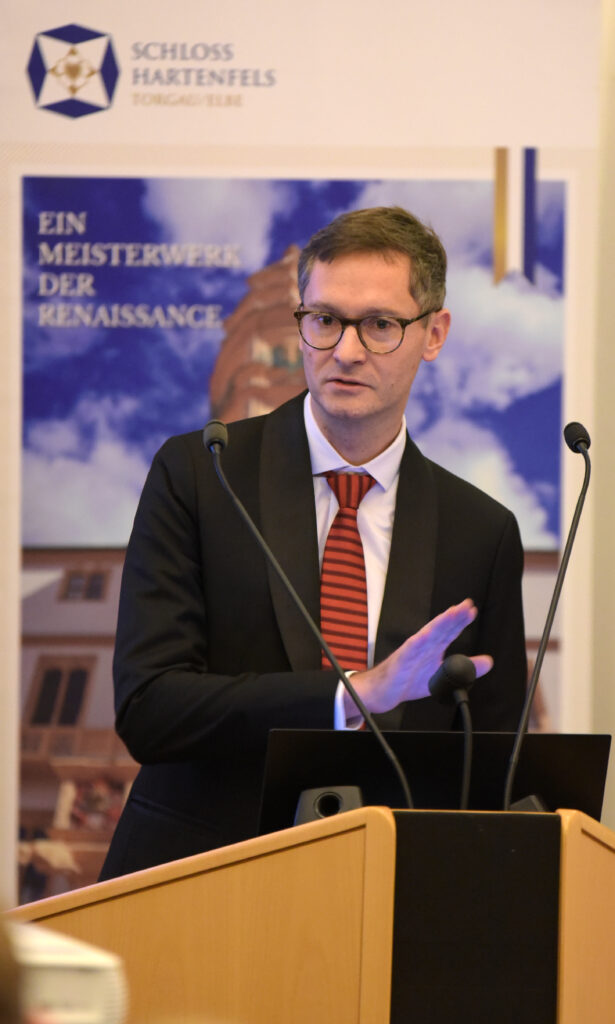
Come, See, Play brings the history of digital gaming into a unique dialogue with heritage architecture at Schloss Hartenfels. Within the historic setting, the exhibition dissolves the boundary between past and present, material culture and virtual worlds. Spanning five decades of game history, it presents over 200 objects that trace the technological and cultural evolution of play.
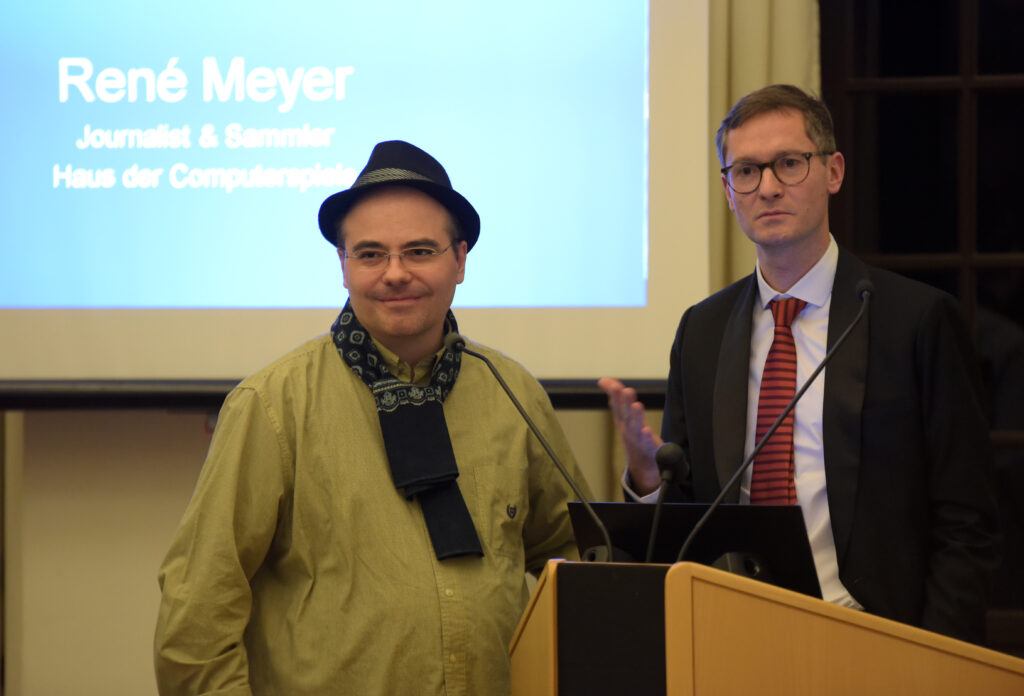
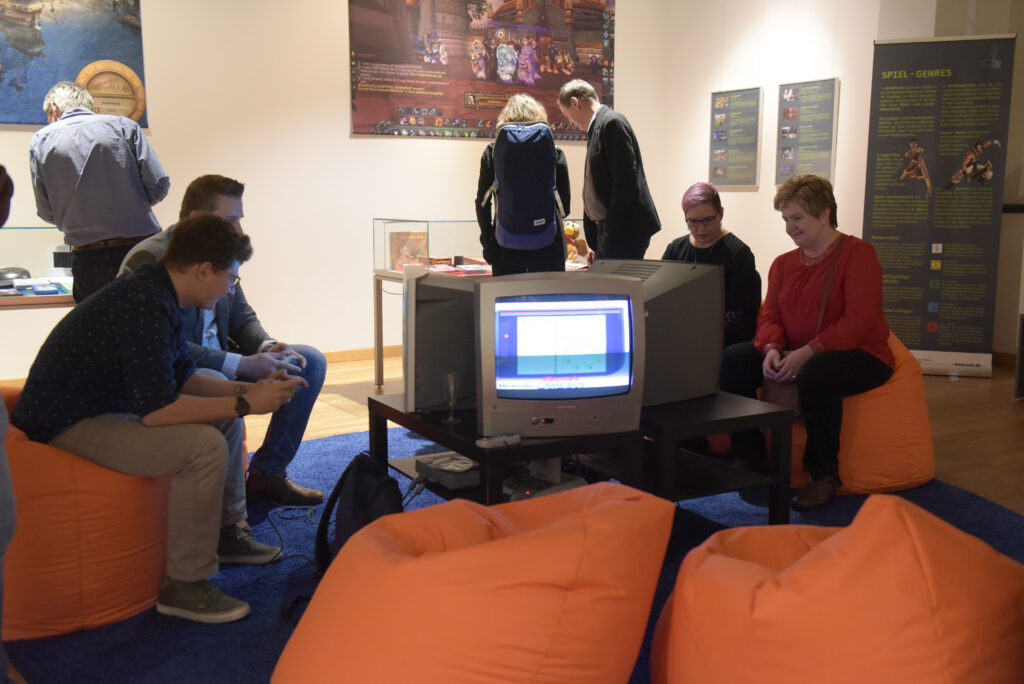
The exhibits originate from the renowned collection of René Meyer, whose Haus der Computerspiele is considered one of the most comprehensive archives of gaming hardware worldwide. Consoles, arcade machines, and early home computers are not only displayed but activated—foregrounding play as a shared, intergenerational practice.
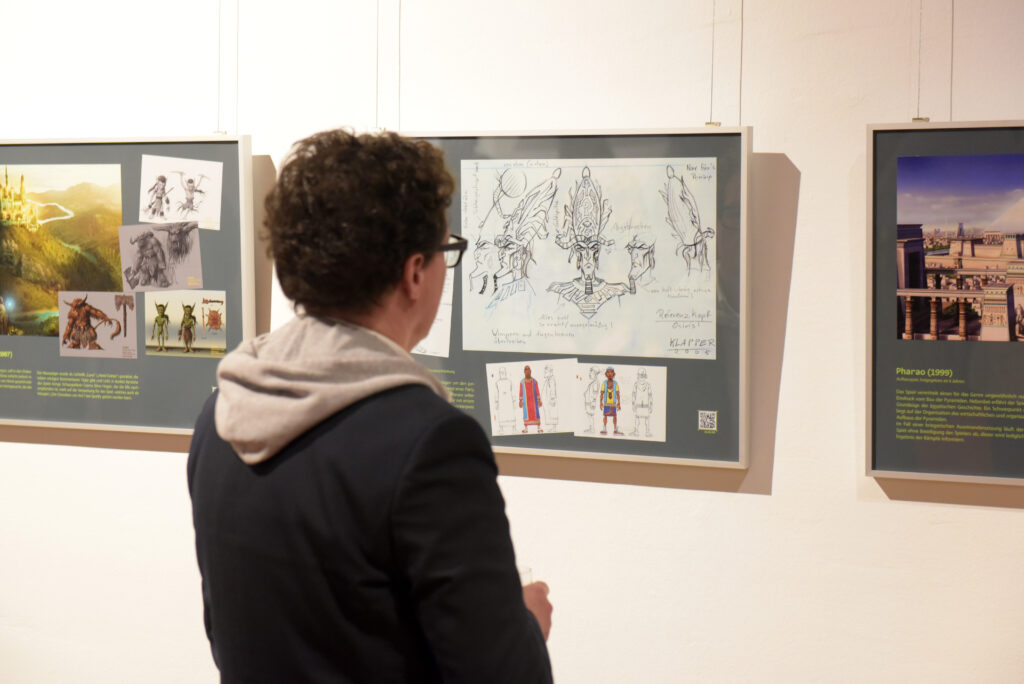
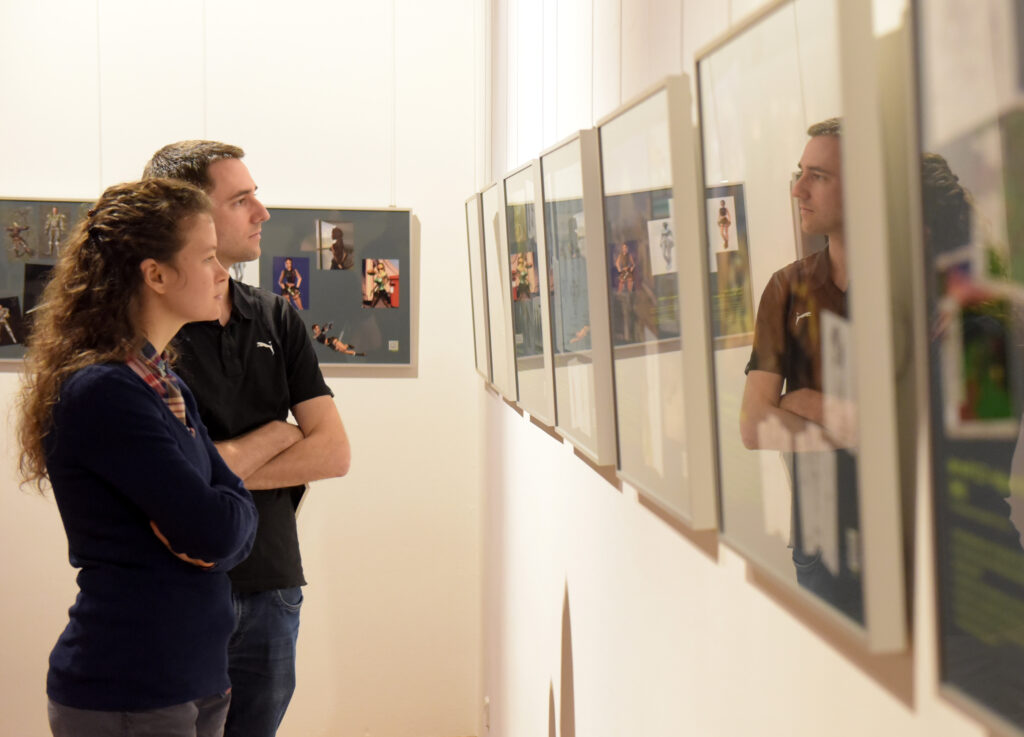
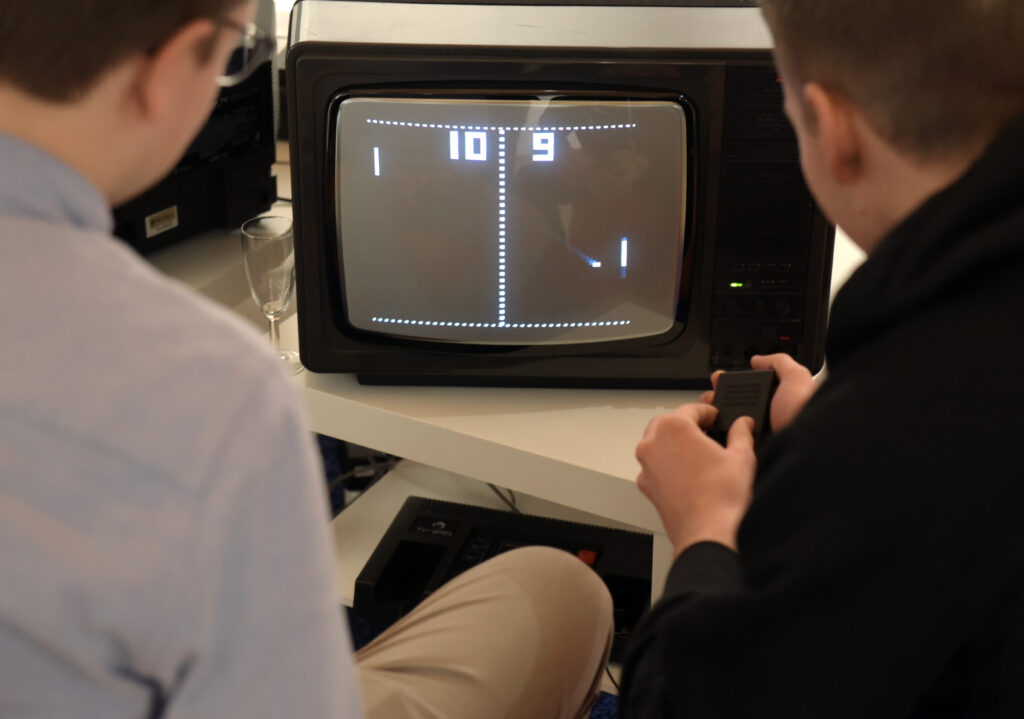
Eight retro gaming stations invite visitors to engage directly, from the iconic Atari 2600 to a rare East German Pong variant produced by VEB RFT. An accompanying artwork gallery reveals previously unpublished sketches and visual concepts, offering insight into the creative processes behind game development. Contextual materials further situate these artifacts, encouraging critical reflection on the aesthetics, mechanics, and cultural significance of digital games.
Picture Credit: Landkreis Nordsachsen